
Table of Contents
How Can You Detect Symptoms Of Breathing Issues In Your Baby?
Worried about your baby’s breathing patterns and unsure how to detect symptoms of breathing distress? Using a baby breathing monitor can help you identify critical signs like rapid breathing, wheezing, or low oxygen levels, ensuring your little one’s safety and giving you peace of mind.
As a parent, noticing subtle changes in your newborn’s breathing can be daunting, especially during sleep or when you’re not by their side. Symptoms like raspy breaths, chest retractions, or blue-tinged skin may signal serious issues, such as airway blockages or lung conditions, requiring immediate attention.
What tools can make monitoring easier for busy parents? Many struggle to observe every breath manually, especially at night. Our expert guide explores how to detect symptoms of breathing problems using advanced baby monitors, offering practical solutions for vigilant caregiving.
This in-depth analysis covers the best baby breathing monitors for 2025, detailing features, benefits, and user insights. By understanding how to choose and use these devices, you’ll ensure your baby’s safety, catch potential issues early, and enjoy worry-free parenting.
Why Monitoring Breathing Symptoms Is Essential
Ensures Early Detection
Identifying breathing issues early, such as wheezing or low oxygen levels, allows for timely intervention, potentially preventing serious health complications.
Promotes Parental Peace of Mind
Real-time monitoring reduces anxiety, letting you rest or focus on tasks while staying connected to your baby’s health status.
Supports Safe Sleep Practices
Breathing monitors align with pediatric guidelines for safe sleep, helping detect irregularities that could indicate sudden infant death syndrome (SIDS) risks.
Enhances Care for Medical Conditions
For babies with conditions like asthma or pneumonia, monitors provide critical data to manage symptoms effectively, per expert recommendations.

Understanding Symptoms of Breathing Distress
Common Signs to Watch For
To detect symptoms of breathing issues, observe your baby for these indicators, which may suggest airway blockages, lung conditions, or oxygen deficiency:
- Rapid or Raspy Breathing: Breathing faster than 60 breaths per minute at rest or with a hoarse sound when crying.
- Chest Retractions: The chest sinking inward excessively during breaths, indicating labored breathing.
- Nasal Flaring: Nostrils widening unusually with each breath, a sign of respiratory effort.
- Wheezing: A continuous, coarse whistling sound during sleep or rest, often linked to lung issues.
- Cyanosis: Blue-tinged skin, lips, or nails, signaling low oxygen levels in the body.
- Hoarseness: A rough or strained voice when making sounds, potentially indicating airway irritation.
When to Seek Medical Help
If you notice any of these symptoms, especially cyanosis or breathing pauses longer than 20 seconds, consult a pediatrician immediately. Breathing monitors can aid detection but are not substitutes for professional diagnosis.
How Baby Breathing Monitors Help Detect Symptoms
Technology Overview
Baby breathing monitors use advanced sensors to track respiratory patterns, heart rate, and oxygen levels, sending real-time alerts to parents via smartphones or dedicated units. Common technologies include:
- Pulse Oximetry: Wearable devices, like socks or bands, measure oxygen saturation and heart rate non-invasively, as seen in the Owlet Smart Sock.
- Optical Fiber Mats: Under-mattress pads, like those in the Angelcare Monitor, detect movement and breathing using light-based sensors, avoiding electrical currents.
- Camera-Based Systems: Video monitors with breathing tracking, like the Nanit Pro, use algorithms to analyze respiratory patterns without physical contact.
Real-Time Alerts
Monitors sound alarms for critical events, such as:
- Oxygen saturation dropping below 85%.
- Breathing rate falling below 10 breaths per minute.
- No breathing detected for 20 seconds or more.
- Sudden changes in heart rate or respiratory patterns.
Data Transmission
Cloud-based monitors transmit data via low-power Bluetooth or Wi-Fi, allowing remote access through apps. This enables family members or caregivers to monitor from anywhere, as with the Sense-U Baby Monitor.
Non-Invasive and Safe Design
Most monitors are cordless and made from non-toxic, hypoallergenic materials, ensuring safety and comfort for infants under one year, per FDA standards.
Key Features to Look for in a Baby Breathing Monitor
Sensitivity and Accuracy
Choose monitors with adjustable sensitivity to detect subtle breathing changes while minimizing false alarms. The Snuza Hero is praised for its balanced accuracy, per reviews.
Wearable vs. Non-Wearable Options
- Wearables: Socks or bands, like the Owlet Smart Sock, track vitals directly on the baby, ideal for precise monitoring.
- Non-Wearables: Mats or cameras, like the Angelcare or Nanit Pro, monitor without physical contact, reducing discomfort risks.
Connectivity and Range
Opt for low-power Bluetooth or Wi-Fi for safe data transmission. DECT monitors, like the Infant Optics DXR-8, offer interference-free local connections, while Wi-Fi models support remote access.
Battery Life and Power Source
Select monitors with long-lasting lithium or alkaline batteries, like the Levana Oma, to ensure uninterrupted monitoring, especially overnight.
Additional Features
Look for extras like lullaby playback, temperature sensors, or two-way audio, as in the Eufy SpaceView, to enhance functionality and soothe your baby.
Safety and Material Quality
Ensure the monitor uses FDA-approved, non-toxic materials and avoids cords to prevent strangulation risks, as emphasized in user feedback.
App Integration and Cloud Access
Cloud-enabled monitors, like the Sense-U, allow data logging and remote access, ideal for working parents or shared caregiving.
Size and Fit
Choose a monitor sized for your baby’s age and weight to avoid erroneous readings. Wearables should fit snugly without restricting circulation.
Top Baby Breathing Monitors for Detecting Symptoms in 2025
Owlet Smart Sock 3
This wearable sock tracks oxygen levels, heart rate, and movement, sending app-based alerts for low oxygen (below 85%) or breathing pauses. Users praise its comfort and precise data, though it’s pricier ($300-$400).
Angelcare Movement and Sound Monitor
An under-mattress sensor pad detects breathing and movement, alerting after 20 seconds of no motion. Reviews note its reliability but mention occasional false alarms due to baby movement ($100-$150).
Nanit Pro Smart Baby Monitor
A Wi-Fi monitor with video and breathing tracking via a wearable band, offering cloud access and breath wave logs. Its app integration and remote monitoring are highly rated ($300-$350).
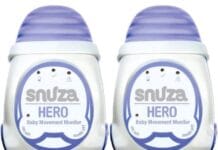
Snuza Hero SE Baby Movement Monitor
A clip-on wearable that alerts after 15 seconds of no breathing, ideal for travel due to its lightweight, cordless design. Users commend its simplicity and affordability ($100-$130).
Sense-U Baby Breathing Monitor
A clip-on device with app-based tracking of breathing, temperature, and sleep position. Its cloud access and real-time alerts earn high marks for working parents ($130-$180).
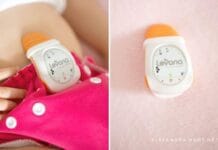
Levana Oma Clip-On Baby Movement Monitor
A portable, cordless monitor that clips to diapers, alerting for breathing pauses. Its budget-friendly price ($80-$100) and ease of use are praised in feedback.
Babysense 7 Movement Monitor
A sensor pad monitor with a clip-on option, detecting breathing and movement. Users appreciate its dual functionality and accuracy ($120-$160).

How to Choose the Best Monitor to Detect Breathing Symptoms
Assess Your Monitoring Needs
Determine if you need vital sign tracking (e.g., oxygen levels) or basic movement detection. The Owlet Smart Sock suits health-focused parents, while the Snuza Hero focuses on breathing.
Evaluate Baby Comfort
Ensure wearables like the Levana Oma are lightweight and non-restrictive, and mats like the Babysense 7 don’t disrupt sleep, per user reviews.
Test Connectivity
Check Wi-Fi or Bluetooth signal strength in your nursery. DECT monitors like the Angelcare ensure reliable local connections, while Wi-Fi models like the Nanit Pro offer remote access.
Consider Lifestyle Fit
Working parents may prefer cloud monitors like the Sense-U for remote data access, while stay-at-home parents may choose simpler models like the Snuza Hero.
Verify Safety Standards
Choose cordless monitors with non-toxic materials, like the Owlet Smart Sock, to eliminate hazards, as emphasized in FDA guidelines and reviews.
Read User Reviews
Feedback on platforms like Amazon or Target reveals real-world performance, reliability, and ease of use. Look for consistent positive trends.
Compare Prices and Warranties
Balance cost with features. Budget options like the Levana Oma ($80-$100) offer reliable breathing detection, while premium models like the Nanit Pro ($300-$350) add advanced tracking.
Check App Compatibility
Ensure apps support your smartphone (iOS/Android). The Owlet and Sense-U apps are praised for intuitive interfaces and cloud data logging.
Tips for Using a Baby Breathing Monitor Effectively
Position Correctly
Place wearables snugly on your baby’s foot or tummy, and position mats centrally under the mattress for accurate detection, per manufacturer guidelines.
Perform Daily Sensitivity Checks
Test the monitor’s sensitivity daily to ensure proper functioning, reducing false alarms, as recommended in user manuals.
Secure Cloud Access
Use strong passwords and private settings to limit data access to trusted family or caregivers, ensuring privacy for cloud monitors.
Maintain Battery Life
Keep batteries charged or spares handy, especially for overnight use. Replace worn-out batteries promptly to avoid interruptions.
Clean Regularly
Wipe devices with a soft, damp cloth to maintain hygiene, avoiding damage to sensors. Follow cleaning instructions to preserve functionality.
Monitor for False Alarms
Review the user manual to troubleshoot false alerts, adjusting sensitivity or placement as needed to ensure accurate readings.
Consult Pediatricians
Use monitor data as a guide but always consult a pediatrician for symptoms like wheezing or cyanosis, as monitors are not medical devices.
Addressing Common Concerns With Breathing Monitors
False Alarms
Adjust sensitivity settings on monitors like the Angelcare to reduce false alerts caused by baby movement, as noted in reviews.
Baby Comfort
Choose lightweight, hypoallergenic wearables like the Snuza Hero to avoid discomfort or circulation issues, per user feedback.
Battery Reliability
Monitors like the Levana Oma use replaceable batteries for cost-effective performance, but keep spares to prevent downtime.
Medical Limitations
Monitors aid home monitoring but aren’t diagnostic tools. Persistent symptoms like rapid breathing or cyanosis require professional evaluation, per pediatric advice.
Where to Buy Baby Breathing Monitors
Purchase monitors at trusted retailers like Amazon, Target, or brand websites (e.g., Owlet, Nanit). Look for discounts during sales like Black Friday or check for warranties.
Shopping Tips
- Compare prices across platforms for the best deal.
- Read verified reviews for authenticity and performance insights.
- Check for trial periods or return policies for flexibility.
When to Consult a Pediatrician
Breathing monitors are invaluable for home use, but certain symptoms require immediate medical attention:
- Persistent wheezing or raspy breathing.
- Blue-tinged skin, lips, or nails (cyanosis).
- Breathing pauses longer than 20 seconds.
- Recurrent fever, flu, or nasal congestion, which may indicate conditions like pneumonia or asthma.
Always pair monitor use with regular pediatric checkups to ensure comprehensive care, as advised by experts.
FAQs About Detecting Symptoms Of Breathing
What signs indicate breathing problems in babies?
Rapid breathing, wheezing, chest retractions, or cyanosis signal issues, detectable with monitors like the Owlet Smart Sock, per reviews.
Are baby breathing monitors safe for infants?
Yes, cordless monitors like the Snuza Hero use non-toxic materials and low-power signals, ensuring safety, per FDA standards.
Can monitors detect asthma or pneumonia symptoms?
Monitors like the Nanit Pro track breathing patterns but aren’t diagnostic. Consult a pediatrician for asthma or pneumonia, per expert advice.
How accurate are baby breathing monitors?
High-quality monitors like the Angelcare offer precise detection with adjustable sensitivity, minimizing false alarms, as noted in feedback.
What’s the best monitor for remote breathing tracking?
Cloud monitors like the Sense-U provide app-based, real-time breathing data, ideal for working parents, per user reviews.
Conclusion
Learning to detect symptoms of breathing issues in your baby is critical for their safety and your peace of mind. Top monitors like the Owlet Smart Sock, Angelcare, and Nanit Pro offer advanced features to track respiratory patterns, heart rate, and oxygen levels, helping you stay vigilant. By evaluating comfort, connectivity, and user feedback, you can choose the best monitor to safeguard your baby. Invest in a baby breathing monitor today to ensure early detection and worry-free parenting in 2025. For further insights, explore trusted resources like the American Academy of Pediatrics for expert guidance on infant health.